


The Essential Role of Music in a Baby's Development

Music is a crucial part of human culture, deeply woven into our daily lives. From the lullabies sung to calm infants to the catchy tunes that make us tap our feet while we clean, music is not just entertainment—it’s a powerful tool for a baby's growth. The importance of music in a child's early life cannot be overstated. It significantly supports their learning and development.
In this blog post, we’ll look at how music contributes to a baby's journey, from boosting cognitive skills to enhancing emotional connections.
Cognitive Development
Exposure to music can significantly improve a baby's cognitive abilities. Research shows that babies are born ready to recognize musical patterns and rhythms. This innate ability lays the groundwork for essential skills like critical thinking and problem-solving.
Listening to music gets various parts of the brain working together, promoting neural connections vital for learning. For example, a study published in "Child Development" found that babies who regularly listened to music performed 20% better in language recognition tests than their peers who did not. This exposure not only improves their language skills but also enhances memory.
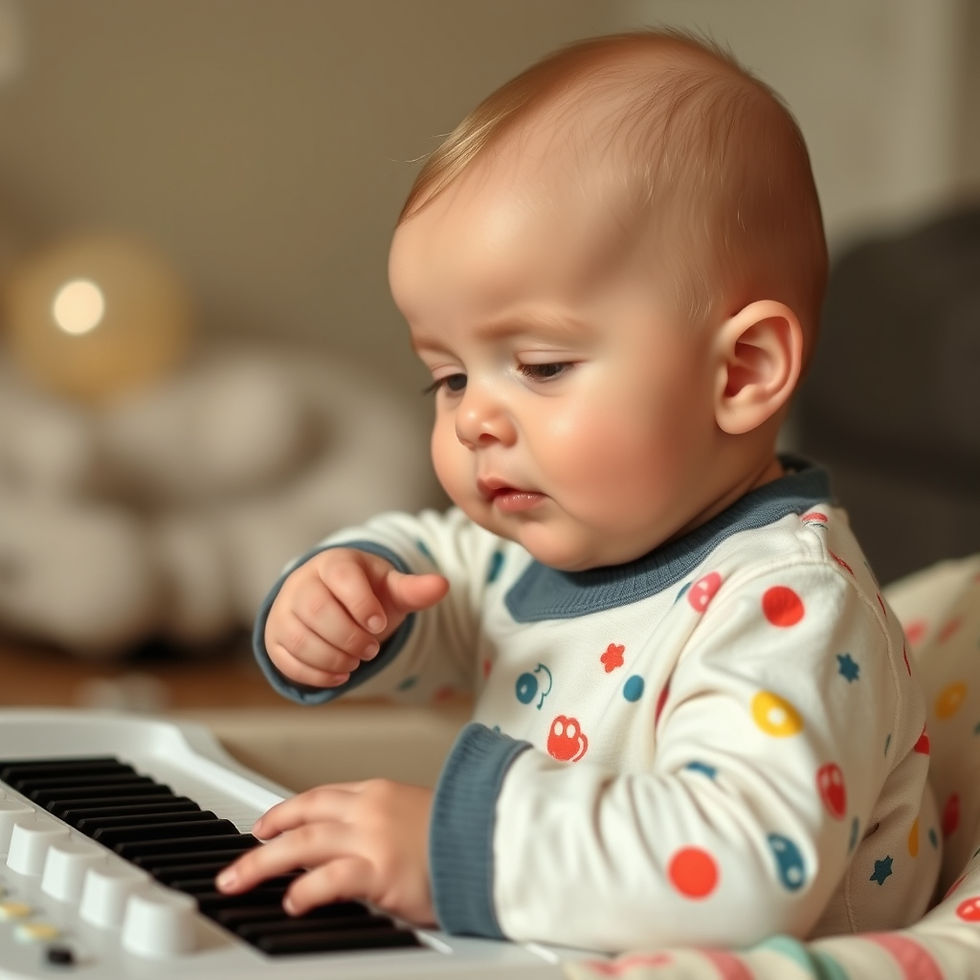
Additionally, interaction with music—like listening, singing, or playing instruments—invites babies to explore sounds and movements. For instance, a baby who sways to a calm melody is developing their sensory skills. This kind of exploration is crucial because it helps them connect sounds, movements, and feelings, forming the foundation of their cognitive growth.

Emotional Bonding
Music is a fantastic way to deepen the emotional bond between parents and their babies. Soft melodies or sweet lullabies can create a soothing atmosphere, giving babies a sense of security.
When parents sing or play music together, it enhances their emotional connection. For instance, researchers found that babies who shared musical activities with their caregivers exhibited 30% more emotional engagement. This shared joy not only fosters love but is essential for a baby's emotional wellness.
Moreover, music helps babies identify and express emotions. Different tunes can evoke various feelings, aiding babies in emotional regulation. Understanding these emotions is important as they grow and start to interact with friends and family.

Language Development
Music and language development have a close relationship. Babies are wired to respond to musical sounds, which can significantly boost their language skills.
When parents sing, they introduce their babies to the patterns and rhythms of speech. Exposure to music facilitates the recognition of phonetic sounds, the building blocks of communication. Singing along to catchy nursery rhymes, for instance, helps babies recognize and remember new words.
Moreover, the repetitive nature of many songs makes it easier for infants to absorb new concepts. When babies babble to the rhythm of their favorite tune, they’re not just having fun; they’re engaging in a crucial step toward learning to speak.
Motor Skills
Music is also beneficial for developing motor skills. The rhythmic beat encourages babies to move, whether through dancing, clapping, or swaying.
These movements help them develop coordination and balance, important for their overall physical development. For instance, activities such as playing with maracas or tapping on a drum can refine their fine motor skills as they learn to grasp, shake, and hit.
The more babies engage with music and movement, the stronger their gross and fine motor skills become, laying a foundation for future physical activities.
Social Skills
Engaging with music nurtures essential social skills in babies. Group activities like singing or attending music classes provide valuable opportunities for interactions.
These social experiences are vital as they teach babies about sharing, taking turns, and picking up on social cues. A study by the Journal of Music Therapy found that infants exposed to group music activities were 40% more likely to engage positively with peers compared to those who had no musical interaction.
Music acts as a universal language, allowing babies to connect with others, even before they start talking. This early social bonding is crucial for their development.
Cultural Awareness
Introducing a variety of musical styles enhances a baby's understanding of different cultures. By exposing them to various genres and traditions, you encourage an appreciation for diversity and spark curiosity about the world.
In a global society, this cultural awareness is important. It fosters empathy and understanding among people from different backgrounds. Babies who hear different music styles may grow up to be more open-minded and accepting of others.
Final Thoughts
Music is essential in a baby's development, impacting cognitive, emotional, and social growth. From boosting language skills to fostering deep emotional bonds, the benefits of music are extensive.
As parents and caregivers, incorporating music into daily life can create a rich environment that nurtures development. Whether through singing, dancing, or simply listening, the influence of music is powerful.
By understanding the role of music in a baby's life, we can support their growth and help instill a lifelong appreciation for music and learning.

Comments