


Can Gymboree Play Classes Help My Child Learn to Walk?

Every few months, we receive calls from parents asking the same thoughtful question:
“My child isn’t walking yet—can coming to a Gymboree Play class help?”
“Do you teach babies how to walk?”

These questions usually come from a place of love, curiosity, and sometimes worry. Walking is such a big milestone, and it’s completely natural for parents to wonder whether they’re doing enough to support their child’s development.
The short answer is: Gymboree doesn’t “teach” children how to walk—but our play classes create the ideal environment for walking to happen naturally.
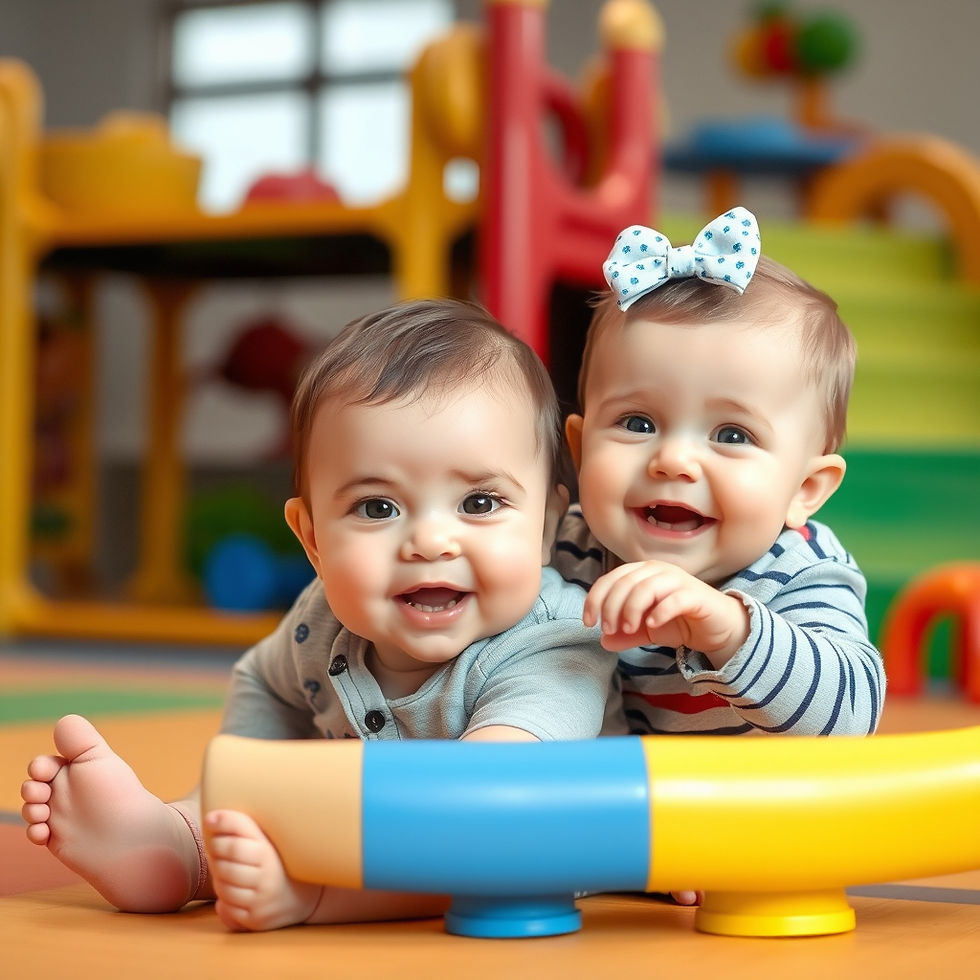
At Gymboree Play & Music, we believe children learn best through movement, exploration, and play at their own pace. Rather than focusing on a single milestone, our play classes support the building blocks that lead to walking—strength, balance, coordination, and confidence.
So how does a Gymboree Play class actually support a child’s walking journey? Here are a few of the key ways purposeful play makes a difference.

A Safe Space to Practice Walking
Children are more willing to try new movements when they feel safe. In a Gymboree play class, soft mats, padded equipment, and carefully designed setups give children the freedom to practice pulling up, cruising, and taking steps without fear of hard falls. This sense of safety encourages exploration and repeated practice—both essential for learning to walk.

Building Strength Through Play
Walking requires strong legs and a stable core. Activities like climbing ramps, crawling through tunnels, stepping up and down, and pushing soft play equipment help children naturally build the muscle strength needed for walking. Because these activities feel like play, children stay engaged and motivated while developing important physical skills.

Developing Balance and Coordination
Balance doesn’t happen overnight. Gymboree play classes challenge children to shift weight, change direction, and move across different surfaces. Walking over low beams, stepping over obstacles, and moving to music help children improve balance, coordination, and body awareness—key components of confident walking.

Encouraging Confidence and Independence
One of the most important parts of learning to walk is confidence. In our classes, children are encouraged—but never pressured—to try new movements at their own pace. Each small success, whether it’s walking toward a favorite activity or exploring a new piece of equipment, builds confidence and supports independence.

Learning From Other Children
Children learn a great deal by watching others. In a group play class, seeing peers walk, climb, and move often inspires children to try it themselves. This natural peer modeling can be especially encouraging for children who are hesitant or just beginning their walking journey.

Music and Movement That Make Walking Fun
Music is an important part of every Gymboree class. Walking, marching, stopping, and moving to songs help children connect movement with rhythm and listening skills. Most importantly, music makes practicing movement fun—so children stay engaged and excited to move.
Supporting Parents Every Step of the Way
In family play classes, parents and caregivers are active partners in their child’s movement experience. With gentle guidance from our teachers, families learn how to encourage walking in ways that feel supportive and stress-free. Many of these activities can easily be continued at home.

Walking Is Just One Step in the Journey
At Gymboree, we see walking as part of a larger picture of growth. Through purposeful play, children develop not only physical skills, but also confidence, curiosity, and a love of movement that supports their development well beyond those first steps.
Every child’s timeline is different—and at Gymboree, we celebrate every step along the way 💛
#GymboreePlayClass #crawlersClass#GymboreeThornhill
Worried your child isn’t walking yet? Discover how Gymboree play classes support


Comments